See the Foundational Toxin and Filler Training Classes that have satisfied all 8 quality criteria for the Aesthetic-Training.com Buyer's Guide. These are the courses having published Faculty credential, Small Groups, AMA and ANCC Accreditation, no risk of Paid Models, and Hands-On with Real Products included in the tuition price.

Are you eligible to become an Aesthetic Provider? Which procedures should you learn and how can you choose the best training programs in Botox, Dermal Fillers, PRP, Microneedling and other Aesthetic Procedures. How do you then add aesthetics to your practice? Follow the steps to success and find out more.
Quick, evidence-based comparisons for clinicians starting or growing an aesthetic practice.
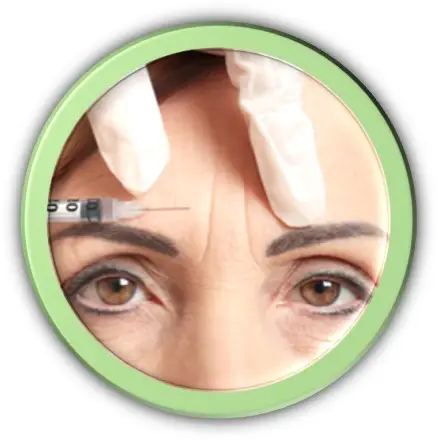
First FDA-Approved for cosmetic use in 2002, Botox and the other Botulinum Toxins are the core non-invasive aesthetic treatment procedure, growing in popularity over the last 25 years. Should you get Botox® Injection Certification? Find out More...
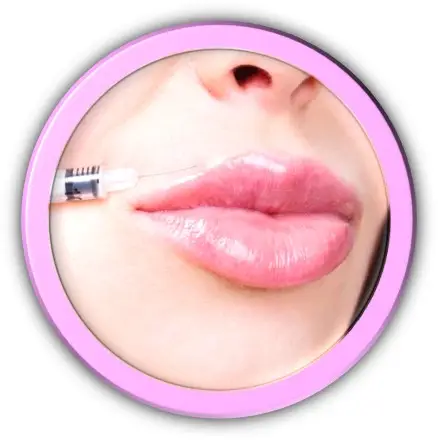
Hyaluronic Acid Dermal Fillers, FDA-Approved since 2004, represent the most popular and sought after way to replace age-related volume loss in the face. Often taught along side Botox®, Dermal Filler technique is highly complimentary to Botulinum Toxin treatments. Should you become Certified in Fillers? Find out More...

The isolation of natural growth factors from your patient's blood and reintroducing those back into problem areas of the face to achieve a natural, drug-free stimulation of tissue under the influence of aging. Should you get this Certification Training? Find Out More...

The fastest growing, minimally-invasive, aesthetic procedure provides way more than an exfoliation. Microneedling is rooted in deep evidence-based science that forms a perfect fit to any new or growing aesthetic practice. Should you pursue Microneedling Certification? Find out More...


When you invest your money and take time away from practice, your first course should prepare you to offer the treatments patients ask for most. For botulinum toxin and dermal fillers, those treatments can be taught safely in one well-structured, small-group foundational course that covers:
✅ All FDA-approved toxin indications
✅ Proven, commonly requested off-label toxin uses and reconstitution volumes
✅ Nasolabial folds and marionette lines
✅ Lips and perioral lines
✅ Vascular occlusion recognition and hyaluronidase management
 Many training programs, including some of the largest, reserve key topics for “Level 2” and “Level 3” courses, sometimes with a membership offered to soften the total cost. Completing every level can cost several thousand dollars plus travel to multiple events, and many “advanced” topics take longer to perform and need more follow-up than the treatments most patients actually request.
Questions to ask before you register:
See the full A-T.com Core Curriculum and Buyer’s Guide criteria →
 How to Identify and Avoid these Aesthetic training programs…
The vast majority of searches for terms like “Botox Training” and “Dermal Filler Certification” return tons of results that have zero accreditation, meaning that their training certificates are worthless in the eyes of your state licensing board and your liability insurance carrier. Even the search “AI” summary may contain misinformation from an unaccredited clinic source, especially if they are local to you. The word “certification” does not also legally mean “accreditation” which is necessary. Accreditation is earned by a training provider and it’s courses being reviewed and offering CME credit to prove the educational materials are complete and free of bias. At best, an unaccredited, single instructor, single-site course would be considered a “shadowing”. And while that may have value for some providers who want additional exposure, it should never be considered sufficient for “training”.
Unaccredited training programs often share the same criteria. Avoid any training program that is…
 Single Location or has a physical presence in one state or region. Is run or taught by a single person.That person is a Registered Nurse Acting Without a Listed Medical DirectorThey do not have CME accreditationDoes not state the exact street address or instructor bio.Does not guarantee the amount of Toxin, Filler you will use for hands-on and include it in your tuition